How to Reclaim VAT
Learning how to reclaim VAT can make a real difference to a VAT registered business. When you buy goods or services for your business, the supplier charges you VAT. That VAT is known as input VAT. If you are VAT registered, you can usually take eligible input VAT into account on your VAT return, so it reduces the VAT you owe to HMRC or increases the repayment due to you. This guide explains what you can and cannot reclaim, the evidence you need, when to claim, and the common mistakes to avoid. It is general information only and not tax advice. Always check the current rules with HMRC or a qualified professional before you act.
What It Means to Reclaim VAT
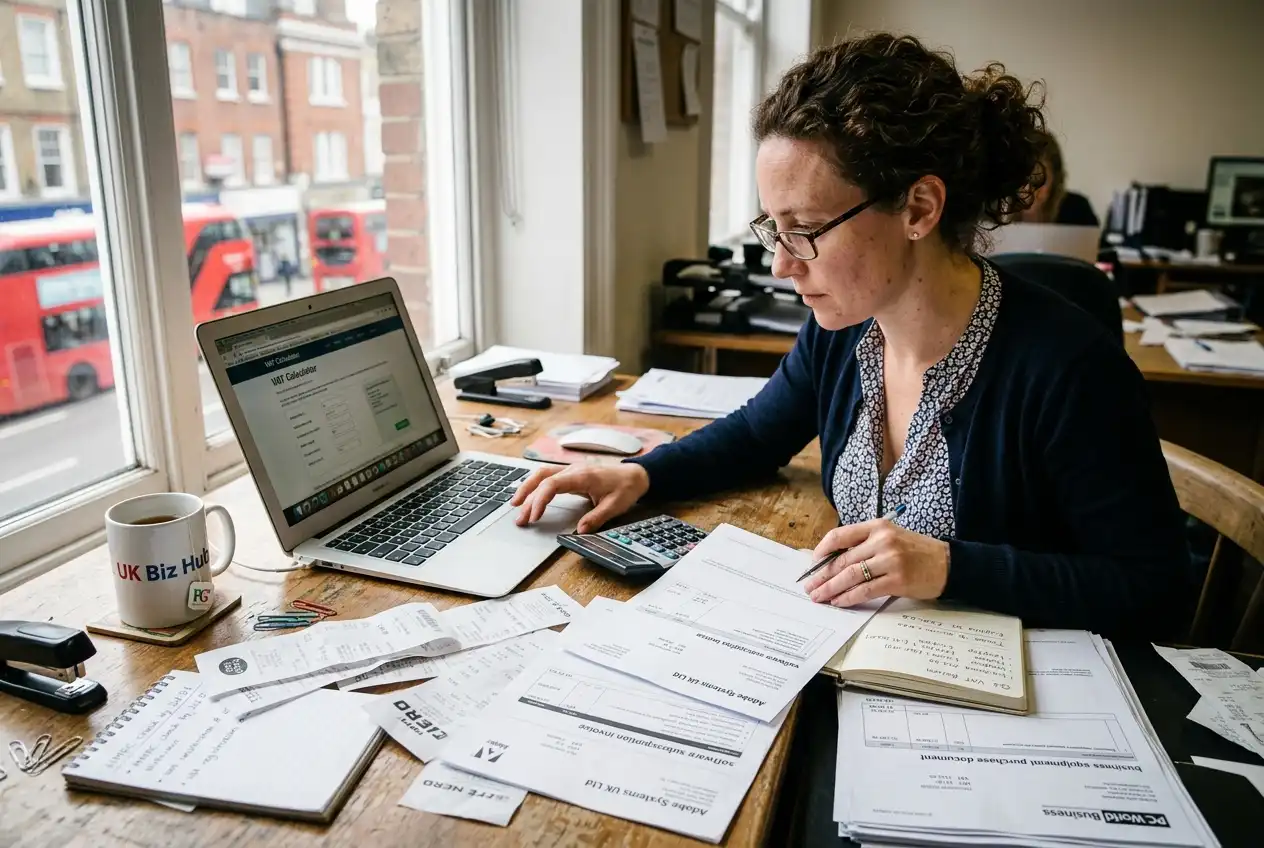
To reclaim VAT means to take eligible VAT you paid on business purchases into account on your VAT return. You do not send a separate claim to HMRC for each purchase. Instead, you add up the eligible input VAT for the VAT period and enter it on your VAT return. Your return then compares the VAT you charged on sales with the eligible input VAT you paid on purchases. If the VAT you charged is higher, you pay the difference to HMRC. If the eligible input VAT is higher, you will usually be due a repayment. Our VAT return calculator can help you check the figures before you file.
This guide covers business reclaim of input VAT. It does not cover tourist shopping refunds for visitors who buy goods in the UK and take them home. If you are a visitor looking for a tourist refund, see our UK VAT refund guide for that separate scheme.
What VAT You Can Reclaim
You can reclaim VAT on goods and services bought for your VAT rated business, where you hold a valid VAT invoice or other evidence and the purchase is not blocked. The purchase must be for the business, not for private use. If a purchase is used only for the business, the VAT is normally reclaimable. If a purchase is used partly for the business and partly for private purposes, only the business part can be reclaimed, and you need a fair way to split the cost. Keep a note of how you worked out the split.
- Goods bought for the business, where you hold a valid VAT invoice.
- Services bought for the business, where you hold a valid VAT invoice.
- Purchases used only for the business.
- The business part of a mixed purchase, worked out on a fair basis.
What VAT You Cannot Reclaim
You cannot reclaim VAT on purchases that are not for the business, on goods or services that are exempt, or on purchases where the VAT is blocked by the rules. You also cannot reclaim VAT without the evidence HMRC requires, so keep your VAT invoices. Do not reclaim VAT on a purchase just because the supplier charged VAT. The question is whether the purchase is for your VAT rated business and whether the rules allow the claim.
- VAT on purchases for private use.
- VAT on purchases that are not for your VAT rated business.
- VAT where the rules block the claim.
- VAT where you do not hold the evidence HMRC requires.
If you are unsure whether a purchase is reclaimable, check the HMRC guidance or ask a qualified professional before you include it on your return. Claiming VAT you are not entitled to can lead to an HMRC enquiry and to interest or penalties.
Evidence You Need
You normally need a valid VAT invoice from the supplier showing the supplier VAT number, the VAT rate and the VAT amount. For some small purchases a simplified invoice or receipt may be enough. Keep the evidence with your VAT records. If an invoice is missing a detail, ask the supplier for a corrected invoice before you claim. Do not claim on a bank statement alone unless the rules allow it for that type of purchase.
- The supplier name, address and VAT number.
- The invoice number and date.
- A description of the goods or services.
- The VAT rate and the VAT amount.
- The total amount paid.
For more on what an invoice must show, see our guide to VAT invoice requirements in the UK. Checking each invoice against that list before you file helps you catch missing details early.
When to Claim the VAT Back
You claim VAT back on the VAT return for the period in which you incurred the cost and hold the evidence. If you miss a return, you can usually include the claim on a later return, but do not leave claims so long that you lose track of them. Keep a simple list of claims by period so you can see what has been claimed and what is still waiting. If you claim late, check that the claim is still within the time allowed and that you hold the evidence.
Timing matters for cash flow. If you reclaim VAT in the period you paid it, the benefit comes through on that return. If you wait, the benefit is delayed. Set a routine for checking purchase invoices each period, so claims are not left to pile up. For pricing and cash flow checks, our business VAT calculator can help you work out VAT on your sales and purchases.
Common Mistakes to Avoid
- Reclaiming VAT on private spending.
- Reclaiming VAT without a valid invoice.
- Claiming VAT on exempt supplies.
- Entering the wrong figures on the VAT return.
- Claiming the same VAT twice.
- Losing invoices before the return is filed.
The most common mistake is claiming VAT on a purchase that is partly private without splitting the cost. Another is claiming VAT on a pro-forma invoice rather than waiting for the VAT invoice. Both mistakes can be avoided by checking each claim against the invoice and the rules before you file. If you find a mistake after filing, correct it on the next return or tell HMRC, depending on the size of the error.
Check the VAT on Your Purchases
Use our UK VAT calculator to check the VAT on a purchase price at the UK standard rate, so you can confirm the VAT shown on an invoice before you claim it. For a full check of your return figures, use our VAT return calculator.
Frequently Asked Questions
What does it mean to reclaim VAT?
To reclaim VAT means to take eligible VAT you paid on business purchases into account on your VAT return, so it reduces the VAT you owe to HMRC or increases the repayment due to you. It applies to input VAT on business purchases, not to tourist shopping refunds.
What VAT can I reclaim on business purchases?
You can reclaim VAT on goods and services bought for your VAT rated business, where you hold a valid VAT invoice or other evidence and the purchase is not blocked. VAT on purchases used only for the business is normally reclaimable, while VAT on purchases with a private element needs care.
What VAT can I not reclaim?
You cannot reclaim VAT on purchases that are not for the business, on goods or services that are exempt, or on purchases where the VAT is blocked by the rules. You also cannot reclaim VAT without the evidence HMRC requires, so keep your VAT invoices.
What evidence do I need to reclaim VAT?
You normally need a valid VAT invoice from the supplier showing the supplier VAT number, the VAT rate and the VAT amount. For some small purchases a simplified invoice or receipt may be enough. Keep the evidence with your VAT records.
When do I claim the VAT back?
You claim VAT back on the VAT return for the period in which you incurred the cost and hold the evidence. If you miss a return, you can usually include the claim on a later return, but do not leave claims so long that you lose track of them.
What mistakes stop a VAT reclaim?
Common mistakes include reclaiming VAT on private spending, reclaiming VAT without a valid invoice, claiming VAT on exempt supplies, and entering the wrong figures on the VAT return. Check each claim against the invoice and the rules before you file.
VAT Calculator provides VAT calculations and information for general informational purposes only. Calculator results are estimates and should not be considered tax, legal, accounting, or financial advice. VAT rates and rules may change, so please verify important information with official sources or a qualified professional before making financial or tax decisions.